

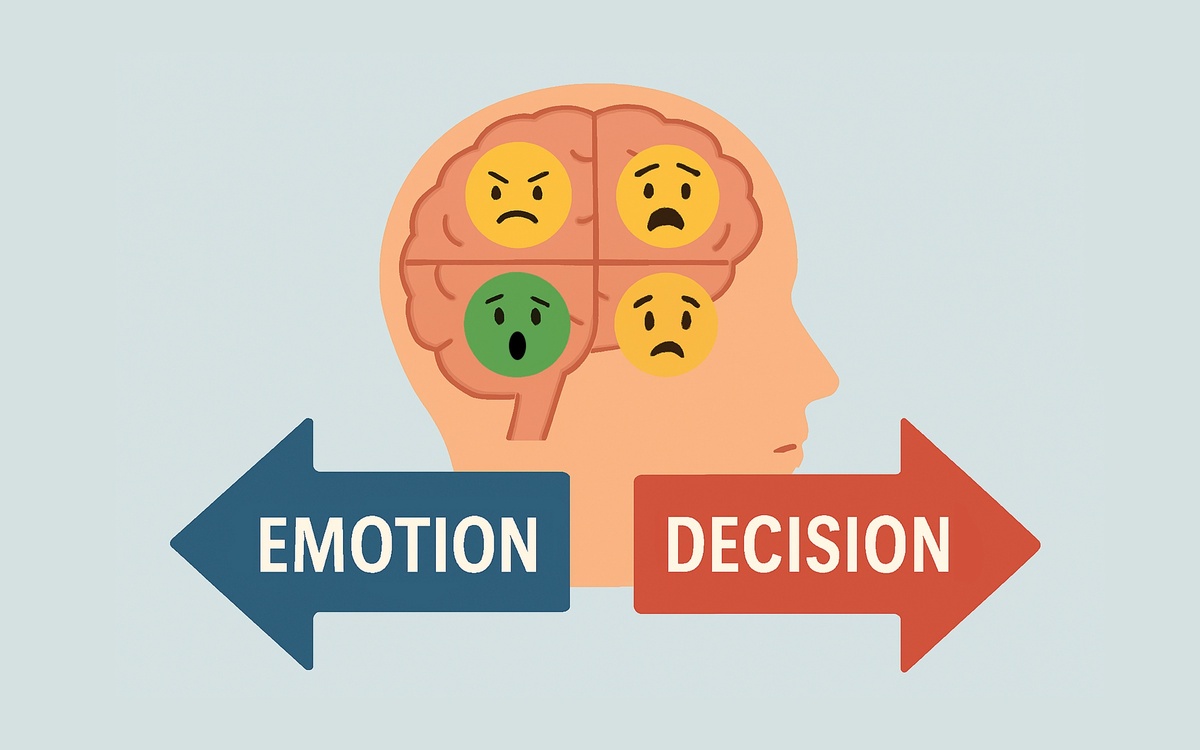
Money isn’t just numbers—it’s tied to our emotions, experiences, and upbringing. While financial advisors provide logical strategies, emotions often drive financial decisions. Understanding the psychology of money can help you make better choices and avoid costly mistakes.
Why Emotions and Money Are Linked
Emotions play a critical role in financial decisions because money is tied to our security, status, and identity. Many financial habits stem from childhood, family, and culture. Fear, greed, excitement, and even regret can often push us toward irrational choices.
For example, during a stock market crash, fear leads investors to sell at a loss instead of holding steady. In a market boom, greed drives people to invest aggressively, ignoring risks. Recognizing emotional triggers is key to managing them effectively.
Common Emotional Biases in Financial Decisions
- Loss Aversion
We fear losses more than we appreciate gains. This leads to overly conservative investing or holding onto bad investments too long instead of reallocating funds. - Overconfidence Bias
Many people overestimate their financial decision-making skills, leading to excessive trading or ignoring professional advice. Active traders often underperform compared to long-term investors. - Herd Mentality
People rush into investments due to FOMO (fear of missing out), ignoring risks. The dot-com bubble and cryptocurrency booms illustrate how herd mentality creates financial bubbles—and crashes. - Instant Gratification vs. Delayed Reward
Our brains crave immediate rewards, making long-term financial goals feel like a struggle. People often spend windfalls on luxuries rather than building wealth. Learning delayed gratification improves financial stability. - Anchoring Bias
We rely too much on initial information. For example, an investor who bought a stock at $100 may refuse to sell at $60, even if reallocating would be smarter.
How to Make Rational Financial Decisions
Making rational financial decisions starts with having a structured plan that prioritizes long-term goals over emotional reactions to short-term market fluctuations. Automating finances, such as savings and debt payments, helps reduce impulsive choices and ensures consistent progress. Consulting a financial advisor provides a professional perspective, helping individuals make logic-based choices instead of emotional ones. Additionally, pausing before making significant financial decisions allows time for reflection, preventing rash choices driven by fear or excitement. Finally, educating oneself on behavioral finance enhances awareness of emotional biases, enabling better decision-making and financial stability.
Final Thoughts: Making Smarter Financial Choices
Money decisions aren’t just about numbers—they’re also about emotions. Recognizing and managing emotional biases leads to smarter financial choices. By avoiding impulsive investments, overcoming loss aversion, and practicing delayed gratification, you can build a healthier financial future. The next time you make a financial decision, ask yourself: “Is this choice driven by logic or emotion?” The answer can make all the difference. The experienced team at Phronesis Wealth Management in Severna Park is here to help navigate your financial decisions to help you achieve your goals. Call 410-647-6762 to schedule a free consultation or request an appointment online.
The opinions voiced in this material are for general information only and are not intended to provide specific advice or recommendations for any individual.